
Homeowner Guide
How to tell whether it's a quick fix or something that needs an inspection.
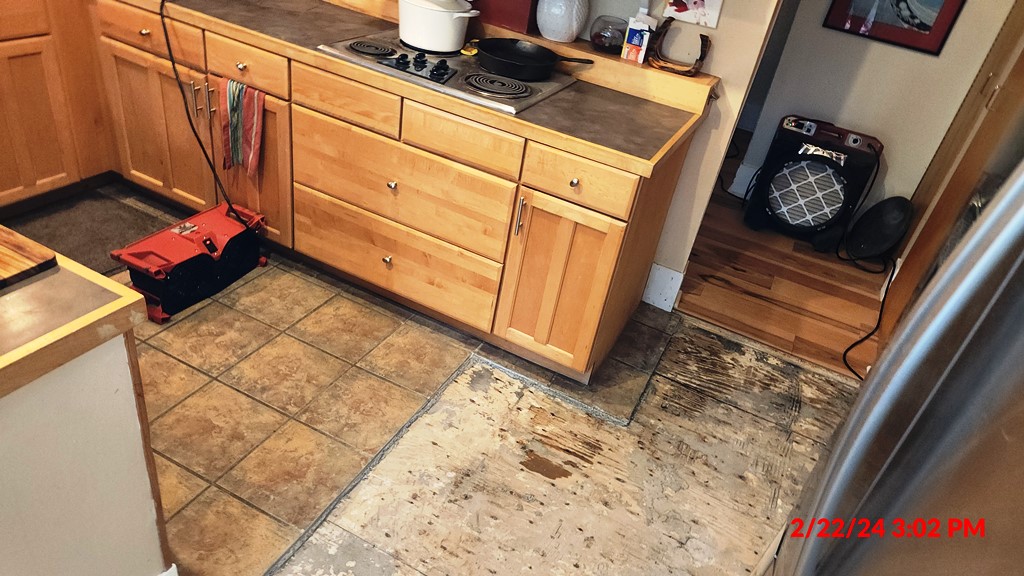
A wet sink cabinet is easy to wipe up and forget. But water from a slow drip can run behind the cabinet and under it, into the wall and subfloor, where you can't see it. Here's how to tell whether it's a quick fix or something that needs an inspection.
Close the shutoff valves under the sink. If they won't close or the leak is on the valve itself, shut off the main. Fixing the leak itself is usually a plumber's job. We handle the water damage it leaves behind.
Take everything out and take wide and close photos of the cabinet floor, the back panel, the pipes and the floor in front of the cabinet. Do this before you dry or clean anything. If this becomes an insurance claim, these photos matter.
Probably DIY: a small, fresh drip, a cabinet floor that's still hard, and no swelling elsewhere. Dry it with the doors open and a fan for a few days before you seal or cover anything.
Book an inspection if:
We check moisture in the cabinet, wall and subfloor, photograph everything, and lay out a plan for drying and repair. Our water damage cleanup and drying service dries the area out, and we repair cabinets and subfloors in-house through our water damage repair team. For other early warning signs around the house, see our signs of water damage checklist.
It depends on the cause and your policy. See our water damage insurance help page. Haven't filed a claim yet? We offer a free inspection before you file, so you know what you're dealing with when you talk to your insurer.
Master Restoration serves homeowners in Charlotte, Concord, Indian Trail, Matthews, Monroe, Stallings, and Waxhaw. See all the North Carolina areas we serve for more.
It depends on the cause and your policy. Sudden leaks are often covered. Slow, long-term leaks often aren't. See our water damage insurance help page.
Yes, if materials stay wet. That's why it matters to dry the cabinet, wall and subfloor fully.
Yes. We repair water-damaged sink cabinets and subfloors in-house once the area is dry, so you don't need a separate contractor for that part of the job.
Monday to Friday, 8am to 6pm. Call (704) 408-4794.
We help with documentation, photographs, estimates, and communication with your insurance company for damage caused by leaks.
Learn About Insurance Support